Aman International

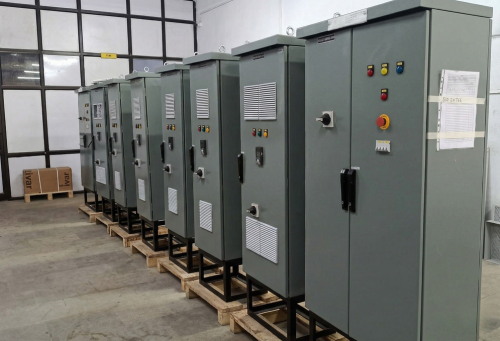
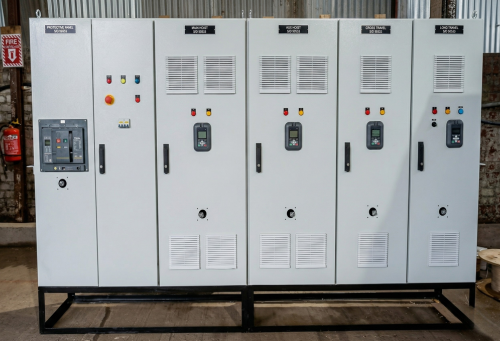
LT panels are electrical distribution systems designed to manage and control low-voltage power supply across industrial and commercial installations. They act as a central point for receiving power and distributing it safely to various equipment and circuits, ensuring smooth and organized electrical flow within the facility.

These panels are used in applications where reliable power handling, protection, and control are essential for day-to-day operations. They support functions such as circuit protection, load management, and system monitoring, helping maintain stability across connected systems.

Built to suit different installation requirements, LT panels can be configured in multiple layouts and capacities, allowing them to adapt to varied operational needs. Their design focuses on safe operation, ease of access, and consistent performance in environments that demand dependable electrical control.

VFD Control Panel

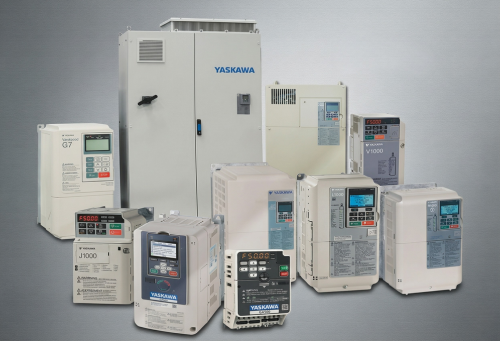
A VFD control panel is designed to regulate the speed and torque of electric motors by adjusting the frequency and voltage of the power supplied. Instead of running motors at a fixed speed, it enables output to vary based on process requirements, allowing systems to operate more efficiently and with better control.

Within the enclosure, the panel integrates the variable frequency drive along with essential components such as circuit protection devices, control interfaces, cooling systems, and communication elements. This combination ensures not only motor control but also safe operation, monitoring, and protection against electrical faults.

Such panels are widely used in applications like pumps, fans, conveyors, compressors, and HVAC systems, where load conditions change frequently. By matching motor speed to demand, they help reduce energy consumption, minimise mechanical wear, and improve overall system performance over extended operating cycles.

PLC Panel

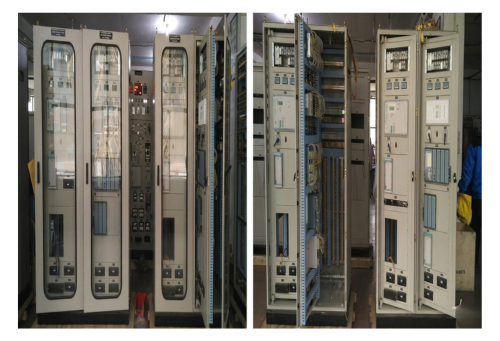
A PLC panel is built to automate and manage industrial processes by using a programmable logic controller to execute control functions based on predefined logic. It enables coordinated operation of machinery by processing input signals from sensors and triggering corresponding outputs to control devices such as motors, valves, and actuators.

Inside the panel, various components are assembled, including the PLC unit, input/output modules, power supply, relays, and communication interfaces. This setup allows real-time monitoring and control of operations, helping maintain accuracy and consistency across complex systems.

Commonly used in manufacturing lines, material handling systems, water treatment plants, and process industries, PLC panels support efficient system control with minimal manual intervention. Their flexibility allows modifications to control logic as per changing requirements, making them suitable for applications that demand adaptability and precise coordination.

Control Desk

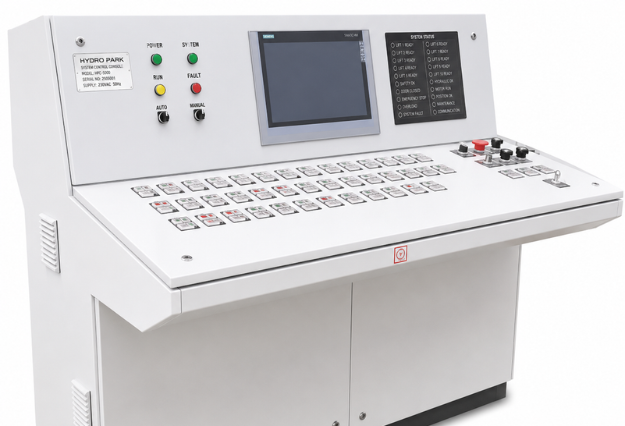
A control desk serves as an operator interface for monitoring and managing industrial systems from a central location. It provides a structured setup where controls, indicators, and display units are arranged for easy access, allowing operators to supervise equipment and processes efficiently.

The desk typically integrates push buttons, selector switches, meters, and display screens, enabling direct interaction with connected machinery. Its layout is designed to support quick response and clear visibility, which is important in environments where timely control actions are required.

Used across control rooms in manufacturing plants, process industries, and material handling systems, control desks help streamline operations by bringing essential controls into one accessible platform. Their design supports organised workflow and consistent system management during continuous operation.

MCC Panel

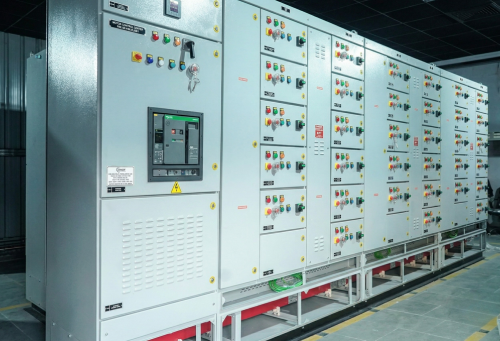
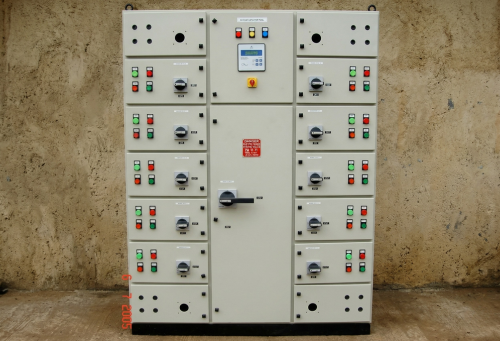
An MCC (Motor Control Center) panel is designed to manage and operate multiple motors from a single, organised system. It brings together motor starters, control devices, and protection components, allowing coordinated handling of several motor-driven applications within a facility.

The panel houses elements such as contactors, overload relays, circuit breakers, and control units, which work together to start, stop, and safeguard motors during operation. This arrangement helps ensure controlled performance while protecting equipment from electrical faults and overload conditions.

Widely implemented in industries like manufacturing, water treatment, and processing plants, MCC panels support efficient distribution and control of motor loads. Their structured layout allows easy access for operation and maintenance, making them suitable for environments where multiple motors need to function reliably under varying conditions.

PCC Panel

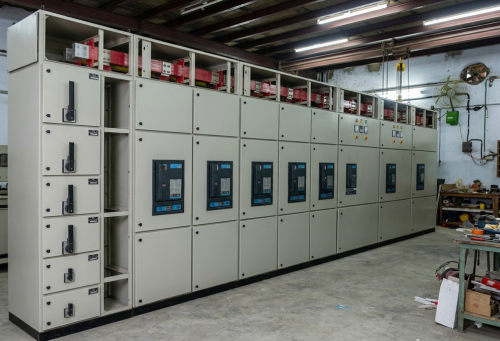
A PCC (Power Control Center) panel functions as the main distribution point for incoming electrical supply, handling high-capacity power before it is routed to various sections within a facility. It plays a key role in receiving power from transformers or generators and directing it to downstream systems in a controlled manner.

The panel is equipped with components such as air circuit breakers, busbars, metering instruments, and protection devices, enabling effective handling of large electrical loads. This arrangement supports monitoring, isolation, and safeguarding of the overall power network within the installation.

Commonly installed in industrial plants, commercial complexes, and infrastructure projects, PCC panels are essential where structured power distribution is required. Their design allows organised management of electrical flow while ensuring dependable performance in environments with significant load demands.

APFC Panel

An APFC (Automatic Power Factor Correction) panel is used to improve the power factor of an electrical system by automatically managing capacitor banks based on load conditions. Maintaining a near-optimal power factor helps reduce reactive power in the system and enhances overall electrical efficiency.

The panel continuously monitors parameters such as voltage, current, and load variation, and accordingly switches capacitor stages in or out of the circuit. This dynamic adjustment supports stable system performance while minimizing penalties from utility providers due to poor power factor.

Commonly implemented in industrial facilities, commercial buildings, and processing units, APFC panels assist in better utilisation of electrical capacity. Their operation contributes to reduced losses, improved voltage stability, and more efficient functioning of connected equipment under varying load conditions.

Special Double Door Panel

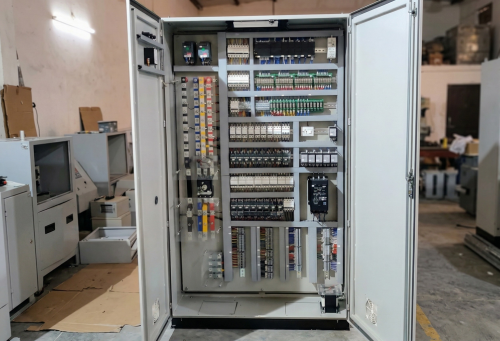
A special double door panel is designed to accommodate a larger number of electrical components while maintaining organised access. The dual-door arrangement allows separation between internal wiring sections and control elements, making it easier to handle complex installations.

This configuration supports better layout planning by providing dedicated space for different components, which helps in maintaining clarity during operation and servicing. It also allows technicians to access specific sections without disturbing the entire setup.

Such panels are typically used in systems where multiple circuits or controls are involved, requiring a structured arrangement and ease of maintenance. Their design helps improve accessibility while supporting safe and efficient handling of electrical equipment.

Flame-Proof Panel

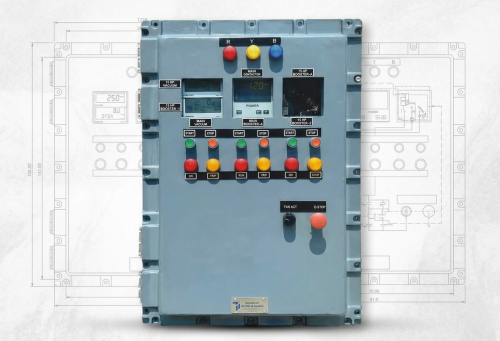
Flame-proof panels are developed for environments where flammable gases, vapours, or dust may be present, requiring a high level of protection. The enclosure is constructed to withstand internal ignition and prevent it from affecting the surrounding area.

They incorporate sealed designs and robust materials that ensure operation remains contained within the panel, even under fault conditions. This makes them suitable for installations where safety compliance is a key requirement.

Industries such as oil and gas, chemical processing, and mining commonly rely on these panels to operate equipment within hazardous zones. Their construction supports dependable performance while maintaining strict safety standards in critical environments.

Flame-Proof Pendant

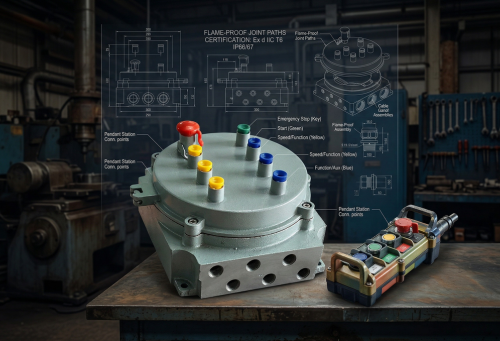
A flame-proof pendant provides a controlled interface for operating equipment in areas where explosive conditions may exist. It allows users to manage machinery functions from a safe position without direct contact with the main system.

The unit typically includes control elements such as push buttons or switches enclosed within a protective housing that prevents external ignition risks. This makes it suitable for handling operations in sensitive industrial zones.

Often used with cranes, hoists, and lifting systems, it supports precise control in demanding environments. Its design ensures reliability while maintaining safety during continuous or repetitive usage.

Junction Boxes

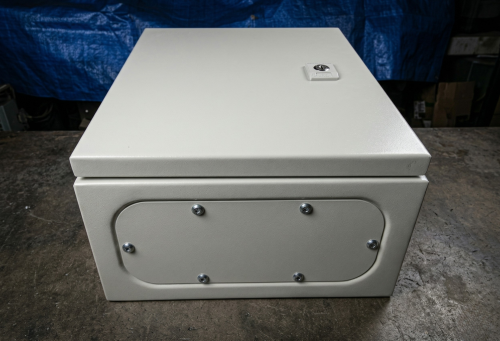
Junction boxes act as protective enclosures for electrical connections, helping organise and secure wiring in different installations. They serve as connection points where multiple cables meet, ensuring safe distribution of electrical circuits.

The enclosure protects internal connections from external factors such as dust, moisture, and accidental contact, helping maintain the integrity of the system. It also allows easier inspection and modification of wiring when required.

These boxes are widely used across industrial and commercial setups, including control systems and field installations. Their presence helps maintain structured wiring layouts while supporting safe and reliable electrical connectivity.

Connect with Us for Smarter Solutions.

Other Products